

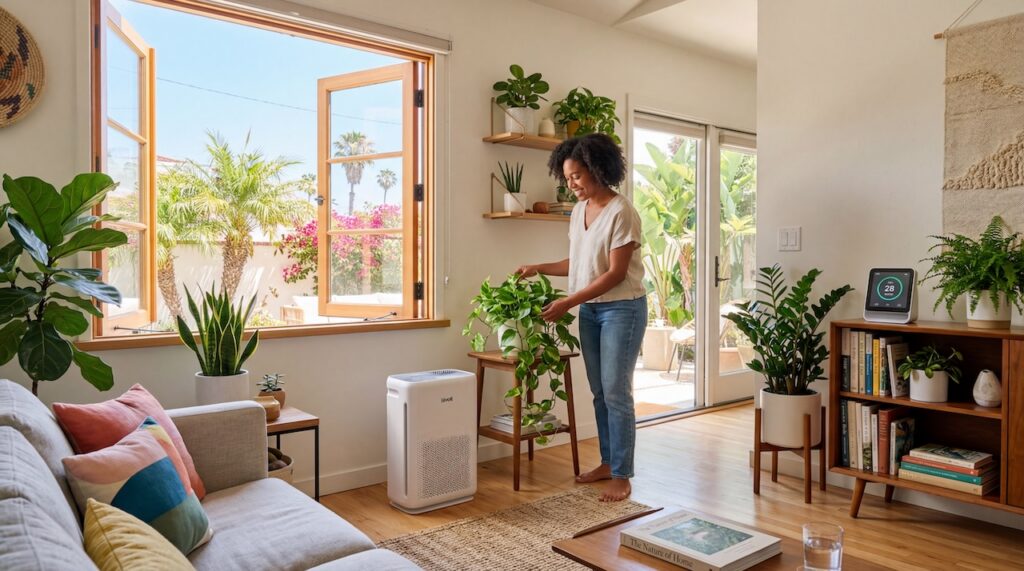
Southern California is renowned for its vibrant culture, beautiful beaches, and sunny weather. However, beneath the clear skies and golden sunshine, a persistent challenge looms: air quality. While much attention is paid to outdoor smog and pollution, the air inside our homes often poses an even greater, and often overlooked, health risk.
This comprehensive guide will delve into the complexities of indoor air quality in Southern California homes, exploring common pollutants, their health impacts, and practical, actionable strategies to create a healthier breathing environment for you and your family.
The Unique Air Quality Landscape of Southern California
Southern California’s geography and climate create a unique atmospheric cocktail. The region’s basin-like topography, coupled with abundant sunshine and often stagnant air, traps pollutants, leading to higher concentrations of ozone (smog) and particulate matter. This external pollution frequently infiltrates our homes, especially in older or less-sealed structures.
Beyond ambient outdoor pollution, Southern California faces specific challenges:
- Wildfires: The increasing frequency and intensity of wildfires are a major concern. Wildfire smoke, laden with fine particulate matter (PM2.5) and toxic chemicals from burning structures and vegetation, can travel hundreds of miles, significantly degrading indoor air quality even far from the fire source. PM2.5 is particularly dangerous because its tiny size allows it to penetrate deep into the lungs and even the bloodstream, exacerbating respiratory and cardiovascular issues.
- Persistent Allergens: Southern California’s mild climate can lead to year-round pollen, dust mites, and mold spores, which thrive in humid conditions. These allergens can trigger asthma, allergies, and other respiratory symptoms.
- Off-Gassing from Household Products: The warm climate can accelerate the off-gassing of Volatile Organic Compounds (VOCs) from new furniture, flooring, paints, cleaning products, and even air fresheners. These invisible pollutants can cause headaches, dizziness, and long-term health problems.
- Gas Appliances: Many Southern California homes rely on natural gas for cooking and heating. These appliances can emit nitrogen oxides (NOx), carbon monoxide (CO), and formaldehyde, all of which contribute to poor indoor air quality.
Understanding Common Indoor Air Pollutants
To effectively combat poor indoor air quality, it’s crucial to understand the main culprits:
- Particulate Matter (PM2.5 and PM10): These microscopic airborne particles come from various sources, including outdoor pollution (wildfire smoke, vehicle exhaust, industrial emissions), indoor activities (cooking, burning candles/incense, fireplaces), and allergens (dust, pet dander, mold spores). PM2.5 is particularly concerning due to its ability to penetrate deep into the lungs and enter the bloodstream.
- Volatile Organic Compounds (VOCs): These are gases emitted from certain solids or liquids. Common sources include paints, varnishes, wax, cleaning supplies, disinfectants, air fresheners, building materials, new furniture, and even some personal care products. VOCs can cause eye, nose, and throat irritation, headaches, nausea, and damage to the liver, kidneys, and central nervous system.
- Carbon Monoxide (CO): An odorless, colorless gas produced by incomplete combustion. Sources include faulty furnaces, gas stoves, water heaters, fireplaces, and vehicle exhaust from attached garages. CO poisoning can be fatal.
- Nitrogen Dioxide (NO2): A gas primarily produced by combustion processes, particularly from gas stoves and unvented heaters. High levels can irritate the respiratory tract and worsen asthma symptoms.
- Mold and Mildew: Thrive in damp, humid environments, releasing spores that can trigger allergies, asthma attacks, and other respiratory problems.
- Radon: A naturally occurring radioactive gas that can seep into homes from the ground. It’s colorless and odorless, and long-term exposure is a leading cause of lung cancer in non-smokers.
- Allergens: Pet dander, dust mites, pollen, and mold spores are common allergens that can significantly impact respiratory health for sensitive individuals.
Strategies for Improving Indoor Air Quality
Creating a healthy indoor environment in California requires a multifaceted approach focusing on source control, ventilation, and air purification.
1. Source Control: Eliminate or Reduce Pollutant Sources
The most effective way to improve indoor air quality is to prevent pollutants from entering your home or being generated in the first place.
- Minimize Wildfire Smoke Infiltration:
- Seal your home: During wildfire events, keep windows and doors closed. Use weather stripping and caulk to seal any gaps or cracks around openings.
- Run HVAC on recirculate: If you have an HVAC system, set it to recirculate mode to prevent drawing in outdoor air. Ensure your filters are clean and of a high MERV rating (MERV 13 or higher).
- Avoid activities that generate indoor pollutants: During smoky periods, refrain from burning candles, using fireplaces, vacuuming (unless with a HEPA filter), and frying food, as these can add to indoor particle levels.
- Ventilate Wisely:
- Open windows when outdoor air quality is good: When air quality alerts are low (check AirNow.gov for real-time data), open windows and doors for short periods to allow fresh air to circulate, especially after cooking or cleaning.
- Use exhaust fans: Always use kitchen and bathroom exhaust fans that vent outdoors to remove moisture, cooking fumes, and VOCs.
- Consider whole-house ventilation: Newer homes or significant remodels might benefit from mechanical ventilation systems like heat recovery ventilators (HRVs) or energy recovery ventilators (ERVs), which bring in fresh air while minimizing energy loss.
- Control VOCs:
- Choose low-VOC products: When purchasing paints, flooring, furniture, and cleaning supplies, look for low-VOC or no-VOC options.
- Air out new products: If possible, unpack and air out new furniture or building materials outdoors or in a well-ventilated area before bringing them into your home.
- Avoid aerosol sprays and synthetic fragrances: Opt for natural cleaning alternatives and avoid air fresheners that mask odors with chemicals.
- Manage Moisture and Prevent Mold:
- Control humidity: Aim for indoor humidity levels between 30% and 50%. Use dehumidifiers in damp areas like basements or bathrooms, especially in coastal areas prone to higher humidity.
- Fix leaks promptly: Repair any water leaks in roofs, pipes, or foundations immediately to prevent mold growth.
- Ventilate bathrooms: Use exhaust fans during and after showers to remove moisture.
- Clean up spills immediately: Don’t let water sit on surfaces.
- Address Combustion Byproducts:
- Ensure proper ventilation for gas appliances: Regularly inspect and maintain gas stoves, furnaces, and water heaters to ensure they are properly vented. Consider upgrading to electric appliances, like heat pumps, which produce no indoor emissions.
- Install carbon monoxide detectors: Place CO detectors on every level of your home and near sleeping areas. Test them regularly.
- Avoid indoor burning: Do not burn candles, incense, or use fireplaces excessively, especially without proper ventilation.
2. Enhanced Filtration and Air Purification
While source control is paramount, filtration and air purification play a vital role, especially in Southern California, where outdoor air quality can be unpredictable.
- Upgrade HVAC Filters:
- Use high-efficiency filters: Replace your HVAC system’s air filter regularly with a MERV 13 or higher filter. These filters can capture a significant percentage of fine particles, including many allergens and smoke particles. Check and replace filters more frequently during periods of high outdoor pollution.
- Use high-efficiency filters: Replace your HVAC system’s air filter regularly with a MERV 13 or higher filter. These filters can capture a significant percentage of fine particles, including many allergens and smoke particles. Check and replace filters more frequently during periods of high outdoor pollution.
- Invest in Portable Air Purifiers:
- HEPA filters are key: Look for air purifiers with true HEPA (High-Efficiency Particulate Air) filters, which can capture 99.97% of particles 0.3 microns in size, including pollen, dust mites, pet dander, and smoke particles.
- Activated carbon filters: For VOCs and odors, choose purifiers that also incorporate activated carbon filters.
- Size for the space: Select a purifier with a Clean Air Delivery Rate (CADR) appropriate for the room size where it will be used. Place them in rooms where you spend the most time, such as bedrooms and living areas.
- Avoid ozone-generating purifiers: Some purifiers produce ozone as a byproduct, which is a respiratory irritant. Look for “no ozone” certifications.
- Consider Air Duct Cleaning: If your home’s HVAC ducts are old or heavily contaminated with dust, mold, or smoke residues, professional duct cleaning may be beneficial. Ensure the service uses HEPA-filtered vacuums to prevent spreading contaminants.
3. How Your HVAC System Can Be Your Indoor Air Quality Ally
Your Heating, Ventilation, and Air Conditioning (HVAC) system is more than just a temperature regulator; it’s a powerful tool in managing your home’s indoor air quality, particularly in Southern California’s varied climate.
- Whole-Home Filtration: Your HVAC system circulates air throughout your entire home. By using high-efficiency filters (MERV 13 or higher), it can continuously remove airborne particles, including dust, pollen, pet dander, mold spores, and even a significant portion of wildfire smoke particles. Regular filter replacement (every 1-3 months, or more frequently during wildfire season or if you have allergies/pets) is crucial for optimal performance.
- Controlling Humidity: Air conditioning units actively remove moisture from the air, which is vital in preventing mold and dust mite growth, especially in Southern California’s coastal regions or during humid periods. Maintaining indoor humidity levels between 30-50% is ideal for both comfort and air quality.
- Ventilation Capabilities: While primarily designed for temperature control, modern HVAC systems can incorporate or be integrated with fresh air ventilation systems.
- Heat Recovery Ventilators (HRVs) and Energy Recovery Ventilators (ERVs): These systems are particularly beneficial. They bring in fresh outdoor air while simultaneously exhausting stale indoor air. Crucially, they recover energy from the outgoing air to pre-condition the incoming air, reducing energy waste. This is ideal for tightly sealed homes where natural ventilation is limited or during periods of poor outdoor air quality when opening windows isn’t an option. HRVs are better for colder climates where heat recovery is paramount, while ERVs are more suited for Southern California’s climate as they also transfer humidity, helping to manage indoor moisture levels.
- Dedicated Outdoor Air Systems (DOAS): For advanced whole-home ventilation, a DOAS can bring in and filter fresh outdoor air independently of your heating and cooling system, ensuring a consistent supply of clean air.
- Air Scrubbers and UV-C Lights: Beyond standard filtration, some HVAC systems can be enhanced with additional indoor air quality components:
- Whole-House Air Purifiers/Air Scrubbers: These are installed directly into your HVAC ductwork and can utilize advanced filtration (beyond MERV 13) or other technologies like activated carbon to remove finer particles, VOCs, and odors from the entire air stream.
- UV-C Germicidal Lights: Installed within the HVAC system’s coil or ductwork, these lights can kill or inactivate airborne viruses, bacteria, and mold spores as they pass through, preventing their circulation and growth on the coils themselves. This is particularly beneficial for reducing biological contaminants.
- Professional Maintenance: Regular professional HVAC maintenance is not just for efficiency; it’s critical for air quality. Technicians can clean coils, inspect ductwork for leaks (which can draw in unconditioned or polluted air), ensure proper drainage (to prevent mold), and check for any issues that could degrade air quality.
By leveraging your HVAC system effectively, from selecting the right filters to considering advanced purification and ventilation upgrades, you can transform it into a powerful ally for maintaining superior indoor air quality in your Southern California home.
4. Regular Cleaning and Maintenance
Consistent cleaning practices minimize dust, allergens, and other settled pollutants.
- Vacuum with a HEPA filter: Use a vacuum cleaner with a HEPA filter to effectively capture fine particles from carpets, rugs, and upholstery. Vacuum regularly, especially if you have pets.
- Wet dust and mop: Use damp cloths and mops to wipe down surfaces and floors, preventing dust and allergens from becoming airborne.
- Launder fabrics: Wash bedding, curtains, and other fabrics regularly to remove dust mites and other allergens.
- Groom pets: Regular grooming of pets can reduce pet dander in your home.
- Limit shoes indoors: Encourage family members and guests to remove shoes at the door to prevent tracking in outdoor pollutants like dust, pollen, and chemicals.
Monitoring Your Indoor Air Quality
Consider investing in an indoor air quality monitor. These devices can provide real-time data on PM2.5, VOCs, temperature, and humidity, helping you understand your home’s specific challenges and assess the effectiveness of your mitigation strategies.
Breathe Easier at Home
While Southern California’s outdoor air quality can present challenges, managing the air within your home is largely within your control.
By implementing a combination of source control, effective ventilation, advanced filtration, and diligent cleaning, you can significantly improve the air you breathe every day.
Taking these proactive steps will not only enhance your family’s comfort but also protect their long-term respiratory health, allowing you to truly enjoy the Southern California lifestyle with cleaner, fresher air inside your sanctuary.
Ready to start breathing cleaner air? Call Reliable Home Comfort today at (562) 568-5345 or visit us online to schedule your indoor air quality assessment!
